Molly Crockett: Beware neuro-bunk
Brains are ubiquitous in modern marketing: Headlines proclaim cheese sandwiches help with decision-making, while a “neuro” drink claims to reduce stress. There’s just one problem, says neuroscientist Molly Crockett: The benefits of these “neuro-enhancements” are not proven scientifically. In this to-the-point talk, Crockett explains the limits of interpreting neuroscientific data, and why we should all be aware of them.
Neuroscientist Molly Crockett studies altruism, morality and value-based decision-making in humans.
WHY YOU SHOULD LISTEN TO HER
Can what you eat influence your sense of justice? Will a simple drug make you more likely to help a stranger on the street? Neuroscientist Molly Crockett asks and answers these and many other fascinating questions about the influence of neurotransmitters, like dopamine and serotonin, on altruism and decision-making. Neuroscience may hold the answer, says Crockett, but there are still limits to our ability to draw conclusions from neural research. Crockett received her PhD from the University of Cambridge in 2011, and she is currently working with support from the four-year Sir Henry Wellcome Postdoctoral Fellowship studying human altruism in labratories worldwide.
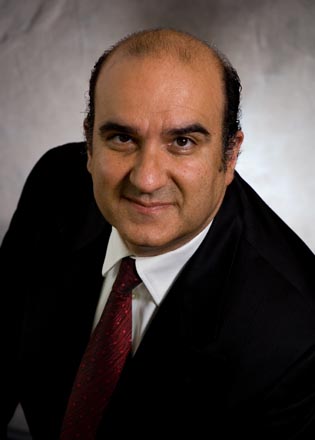
Paul Zak: Trust, morality — and oxytocin?
What drives our desire to behave morally? Neuroeconomist Paul Zak shows why he believes oxytocin (he calls it “the moral molecule”) is responsible for trust, empathy and other feelings that help build a stable society.
A pioneer in the field of neuroeconomics, Paul Zak is uncovering how the hormone oxytocin promotes trust, and proving that love is good for business.
WHY YOU SHOULD LISTEN TO HIM
What’s behind the human instinct to trust and to put each other’s well-being first? When you think about how much of the world works on a handshake or on holding a door open for somebody, why people cooperate is a huge question. Paul Zak researches oxytocin, a neuropeptide that affects our everyday social interactions and our ability to behave altruistically and cooperatively, applying his findings to the way we make decisions. A pioneer in a new field of study called neuroeconomics, Zak has demonstrated that oxytocin is responsible for a variety of virtuous behaviors in humans such as empathy, generosity and trust. Amazingly, he has also discovered that social networking triggers the same release of oxytocin in the brain — meaning that e-connections are interpreted by the brain like in-person connections.
A professor at Claremont Graduate University in Southern California, Zak believes most humans are biologically wired to cooperate, but that business and economics ignore the biological foundations of human reciprocity, risking loss: when oxytocin levels are high in subjects, people’s generosity to strangers increases up to 80 percent; and countries with higher levels of trust – lower crime, better education – fare better economically.
He says: “Civilization is dependent on oxytocin. You can’t live around people you don’t know intimately unless you have something that says: Him I can trust, and this one I can’t trust.”